

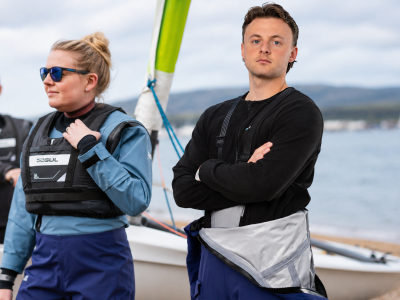
Winter watersports buying guide
A drysuit is one of the best pieces of equipment for enjoying watersports throughout the colder months, but buying a good drysuit is only part of the solution. What you wear underneath it is just as important when it comes to staying warm and comfortable on the water.
Whether you are dinghy sailing, kayaking, paddleboarding or taking part in other winter watersports, choosing the right combination of thermal base layers and insulating clothing can make a significant difference to your comfort.
In this guide, we explain what to wear under a drysuit, how to build an effective layering system and which types of clothing you should avoid.
What Should You Wear Under Your Drysuit?
| Layer | Our recommendation | Read more |
|---|---|---|
| Base layer | Moisture-wicking thermal top and leggings | Why? ↓ |
| Insulating layer | Thermal undersuit or suitable fleece clothing | Why? ↓ |
| Outer layer | Suitable waterproof and windproof drysuit | Why? ↓ |
| Feet | Merino, synthetic or fleece thermal socks | Why? ↓ |
| Hands and head | Suitable gloves, thermal hat or neoprene hood | Why? ↓ |
Does a Drysuit Keep You Warm?
A conventional membrane drysuit is designed primarily to keep water out and protect you from the wind. Unlike a neoprene wetsuit, the drysuit itself provides relatively little thermal insulation.
Most of the warmth comes from the clothing worn underneath. This is one of the main advantages of a drysuit, as you can adjust your thermal layers to suit the conditions and your activity.
Even an expensive, high-performance drysuit will not provide adequate cold-water protection if you are wearing unsuitable clothing underneath it.
If you are still deciding which suit to buy, explore our range of watersports drysuits.
Choosing a new drysuit?
Read our complete drysuit buying guide for advice on fabrics, seals, zips and fit.
Not sure whether you need a drysuit or a wetsuit? Read Are Drysuits Still Better Than Wetsuits in Winter?
How to Layer Clothing Under a Drysuit
An effective drysuit layering system consists of three main elements: a moisture-wicking base layer, an insulating mid-layer and the drysuit itself.
Layer 1: Thermal Base Layers
Your base layer sits directly against your skin and helps move perspiration away from your body. This is particularly important during active watersports, where you may alternate between periods of intense exercise and standing or sitting relatively still.
Suitable base layer materials include:
- Synthetic technical fabrics such as polyester.
- Merino wool.
- Purpose-designed thermal watersports clothing.
Look for a comfortable, close-fitting thermal top and leggings that allow unrestricted movement without creating unnecessary bulk.
Layer 2: Thermal Undersuit or Insulating Mid-Layer
The insulating layer traps warm air around your body and provides much of the thermal protection needed in colder conditions.
A dedicated drysuit undersuit is a popular choice because it is designed to be worn underneath a drysuit without excessive bulk or restriction.
Alternatively, you can use suitable fleece tops and trousers, allowing you to adjust your insulation according to the conditions.
Layer 3: Your Drysuit
The drysuit forms the waterproof and windproof outer layer. Together with your thermal clothing, it creates a protective system that helps reduce heat loss during cold-weather watersports.
Breathable drysuits can also help manage moisture generated by your body, although perspiration and condensation may still accumulate during strenuous activity.
Drysuit Undersuits vs Separate Thermal Layers
One of the most common questions when buying clothing for a drysuit is whether to choose a dedicated one-piece undersuit or separate thermal garments.
One-Piece Drysuit Undersuits
A one-piece undersuit is a convenient option for regular winter watersports. It provides continuous insulation across the body without gaps between your upper and lower garments.
Benefits include:
- Consistent insulation across the body.
- No exposed lower back when bending or stretching.
- Quick and easy to put on.
- Reduced risk of clothing riding up during activity.
- Designed to fit underneath a drysuit.
Dedicated undersuits are particularly popular with dinghy sailors, kayakers and anyone spending extended periods on cold water.
Separate Thermal Tops and Leggings
Separate garments offer greater flexibility when adjusting your clothing for different conditions.
You can combine lightweight base layers with thicker fleece garments during winter or reduce the amount of insulation when temperatures rise.
This approach is particularly useful if you participate in several different watersports throughout the year.
Build your drysuit layering system
Shop one-piece drysuit undersuits · Shop separate thermal layers
What to Wear Under a Drysuit in Different Conditions
There is no single layering combination that is suitable for every situation. Your clothing should take into account water temperature, air temperature, wind chill, activity level and the possibility of immersion.
Milder Conditions
For milder conditions, a lightweight thermal base layer and a suitable lightweight insulating layer may be appropriate, depending on the water temperature and activity.
Cold Autumn and Winter Conditions
As temperatures fall, consider combining a moisture-wicking base layer with a dedicated thermal undersuit or suitable fleece mid-layers.
This provides additional insulation while maintaining the freedom of movement needed for sailing, paddling and other active watersports.
Very Cold Conditions
During particularly cold winter conditions, additional insulation may be required. A heavier thermal undersuit, additional base layers and warm thermal socks can help reduce heat loss.
Always dress for the water temperature and potential immersion, rather than simply how warm you feel before launching. Your clothing must provide suitable protection if you fall into the water or need to wait for assistance.
What to Wear Under a Drysuit for Dinghy Sailing
Dinghy sailing often involves alternating between strenuous activity and periods of relatively little movement. This makes effective moisture management and thermal insulation particularly important.
A typical winter dinghy sailing layering system might include:
- A long-sleeved thermal base layer.
- Thermal leggings.
- A fleece or dedicated drysuit undersuit.
- Warm thermal socks.
- A breathable dinghy sailing drysuit.
Choose clothing that allows you to hike, trapeze and move around the boat without restriction.
Browse our range of dinghy sailing drysuits for winter training, racing and recreational sailing.
Winter dinghy sailing essentials
Dinghy drysuits · Dinghy thermal layers · Dinghy sailing boots · Dinghy sailing gloves
What to Wear Under a Drysuit for Kayaking and Paddleboarding
Kayaking and paddleboarding can generate considerable body heat, particularly during sustained paddling. However, you may cool down quickly when stopping for a break or entering cold water.
Moisture-wicking base layers combined with suitable thermal insulation can help manage these changes in activity.
Look for clothing that allows unrestricted shoulder and upper-body movement and avoids bulky seams that could become uncomfortable underneath your buoyancy aid.
Always consider the potential consequences of falling into cold water when selecting your thermal clothing.
What Socks Should You Wear Inside a Drysuit?
Keeping your feet warm is particularly important during winter watersports, especially when sitting in a kayak or standing in a sailing dinghy for extended periods.
For drysuits with integrated waterproof socks, suitable options include:
- Merino wool thermal socks.
- Synthetic thermal socks.
- Fleece socks designed for cold-weather activities.
Avoid wearing so many layers that your footwear becomes excessively tight, as this can restrict circulation and make your feet feel colder.
If your drysuit has integrated latex socks, a protective oversock worn over the latex can also help reduce friction when putting on your watersports boots.
Always wear suitable protective footwear over integrated drysuit socks to prevent abrasion and punctures.
Protect your feet and drysuit socks
Shop dinghy sailing boots · Shop neoprene watersports boots
For more advice on footwear, read our wetsuit boots buying guide.
What Should You Not Wear Under a Drysuit?
Not all everyday clothing is suitable for wearing underneath a drysuit.
Avoid Cotton Clothing
Cotton absorbs and retains moisture. When damp from perspiration, it can lose much of its insulating effectiveness and leave you feeling cold and uncomfortable.
Avoid cotton T-shirts, jeans, cotton jogging bottoms and ordinary cotton socks in favour of technical thermal clothing.
Avoid Excessively Bulky Clothing
Thick everyday jumpers and bulky trousers can restrict movement, particularly around the shoulders, knees and hips.
Purpose-designed thermal clothing generally provides a better balance of insulation, flexibility and comfort.
Avoid Clothing That Interferes With Seals
Make sure your base layers and undersuit do not become trapped underneath the neck or wrist seals of your drysuit, as this could compromise the seal and allow water to enter.
For more advice on protecting your seals, socks and waterproof zip, read our guide to drysuit care and maintenance.
Can You Wear Too Many Layers Under a Drysuit?
Yes. Wearing excessive insulation can cause overheating and increased perspiration during physical activity. It can also restrict movement and make the drysuit uncomfortable.
The aim is to achieve a suitable balance between thermal protection, moisture management and freedom of movement.
When trying on a new drysuit, wear the thermal clothing you expect to use during winter to ensure the suit has sufficient room without being excessively loose.
Don’t Forget Your Hands and Head
Although your drysuit protects most of your body, your hands and head remain exposed to the elements.
Suitable neoprene gloves, sailing gloves, thermal hats and neoprene hoods can make a significant difference to your overall comfort during winter watersports.
Choose accessories appropriate for your activity, ensuring that gloves provide sufficient grip and dexterity for handling ropes, paddles and other equipment.
Explore our range of neoprene watersports gloves for additional cold-weather protection.
For advice on thickness, warmth and fit, read our wetsuit gloves buying guide.
Frequently Asked Questions
Do you have to wear an undersuit under a drysuit?
You do not necessarily need a dedicated one-piece undersuit, but suitable thermal clothing is essential for cold-water use. Separate thermal base layers and insulating garments can also provide effective insulation when selected appropriately.
Can you wear normal clothes under a drysuit?
Although it is possible, ordinary clothing is generally not designed for the moisture management, insulation and freedom of movement required for watersports. Technical thermal clothing is usually a better choice.
Can you wear a wetsuit under a drysuit?
For most surface watersports drysuits, a dedicated thermal undersuit or suitable fleece layers are more practical than wearing a wetsuit underneath. A wetsuit may restrict movement and is not designed to manage moisture inside a membrane drysuit.
Is fleece good to wear under a drysuit?
Yes. Suitable synthetic fleece clothing is a popular choice because it provides insulation, dries relatively quickly and is generally comfortable to wear underneath a drysuit.
Should a drysuit undersuit be tight?
An undersuit should fit comfortably without restricting movement or compressing its insulating material. Base layers can be close-fitting, while insulating layers should allow enough room to trap warm air.
Stay Warm on the Water This Winter
Choosing the right thermal clothing is just as important as choosing the right drysuit. By combining moisture-wicking base layers, suitable insulation and a well-fitting drysuit, you can enjoy your favourite watersports in greater comfort throughout the colder months.
At Coast Water Sports, we offer a range of drysuits, thermal clothing and winter watersports accessories for sailors, kayakers, paddleboarders and other watersports enthusiasts.
Get equipped for winter watersports
Shop drysuit undersuits · Shop thermal layers · Explore our drysuit range
Contact our team for advice on choosing the right equipment for your next winter session.
Remember that a drysuit and thermal clothing are only part of your cold-water safety equipment. Always wear appropriate buoyancy equipment, assess the conditions and follow the safety guidance for your chosen watersport.