
Winter watersports buying guide
Are drysuits still better than wetsuits in winter? Not necessarily. Modern thermal wetsuits and layering systems have changed how we dress for cold-weather watersports. The right choice depends on whether you’re racing a dinghy, driving a safety boat, kayaking or riding a board.
Which do we think you should you choose?
| Activity | Our recommendation | Why? |
|---|---|---|
| Young children learning to sail | Drysuit | Why? ↓ |
| Active junior and adult dinghy racers | Layered wetsuit system and spray top | Why? ↓ |
| Recreational dinghy sailing | Fullsuit wetsuit and spray top, or drysuit | Why? ↓ |
| RIB drivers and safety crews | Drysuit | Why? ↓ |
| Whitewater kayaking | Specialist whitewater drysuit | Why? ↓ |
| Touring, sea kayaking and kayak fishing | Suitable paddling drysuit | Why? ↓ |
| Recreational winter jet skiing | Suitable personal-watercraft drysuit | Why? ↓ |
| Windsurfing, wingfoiling and kitesurfing | Winter wetsuit, gloves, boots and hood | Why? ↓ |
Winter dinghy sailing: the wetsuit layering revolution
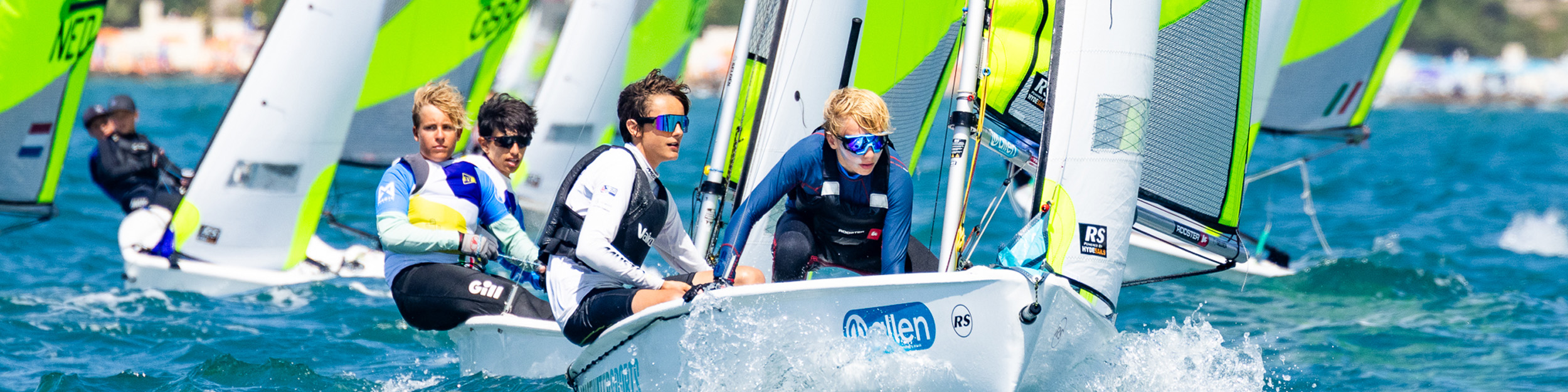
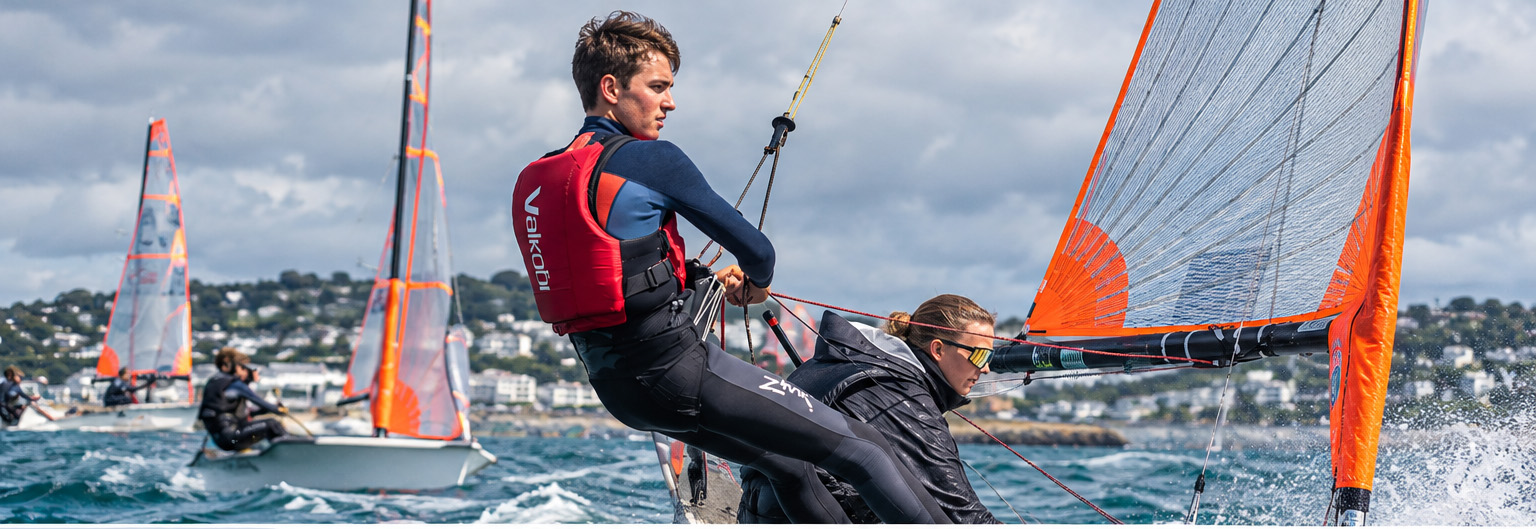
Many competitive junior and adult dinghy sailors now prefer a modern wetsuit system to a drysuit. Thermally lined, blindstitched long johns and a neoprene top can overlap to give as much as 7–8mm of combined neoprene around the torso, while leaving sailors free to hike, trapeze and move fast around the boat.
Underneath, a hydrophobic fleece adds insulation. Blindstitched neoprene socks help keep feet warm inside sailing boots (and mainly dry). Over the wetsuit goes the crucial outer layer: a windproof spray top, normally fleece lined. It reduces the wind chill, the evaporative cooling caused by wind passing over wet neoprene. On especially cold, wet days, some top junior racers even add a lightweight inshore racing jacket.
Build your winter sailing kit
Explore dinghy sailing clothing · Shop spray tops · Shop thermal layers
What about older and recreational sailors?
A thermally lined, blindstitched fullsuit wetsuit with a hydrophobic fleece underneath and a spray top over it is a comfortable alternative to separate long johns and a close-fitting neoprene top. A drysuit is also a good option for sailors who spend long periods relatively inactive.
Some sailors favour long johns, a fleece layer underneath and a thermal spray top such as a Rooster Aquafleece over the top. It’s comfortable, but the upper body lacks the continuous neoprene coverage of a fullsuit. A wide neck that isn’t secured can let cold water rush in during a capsize, increasing sudden cold exposure and the risk of a cold-shock response. That’s an important trade-off in winter.
Young children: dry feet can change the whole day
For younger children learning to sail, a drysuit is often the best choice — not simply because of warmth, but because they can launch without that miserable feeling of icy water seeping into their boots. Starting the session dry and comfortable can make winter sailing much more enjoyable.
Drysuits do need suitable insulating layers underneath, though. They can also feel bulky, and toilet breaks can be awkward, particularly for girls if the suit has no suitable relief arrangement.
RIB drivers and safety crews: drysuits win
Winter RIB crews may spend hours exposed to rain, breaking waves and spray, with nowhere to shelter. There’s also the possibility of having to enter the water to assist a sailor in difficulty. A drysuit with appropriate thermal layers offers protection both during a long, wet duty and in an unexpected immersion.
The Typhoon Max B and PS440 are two particularly relevant choices for RIB drivers and safety boat crews.
Winter kayaking: different paddling, different drysuits
Kayaking demands shoulder movement, and thick wetsuits can feel restrictive. A paddling drysuit gives room for insulating layers without compromising movement, but the design should suit the activity.
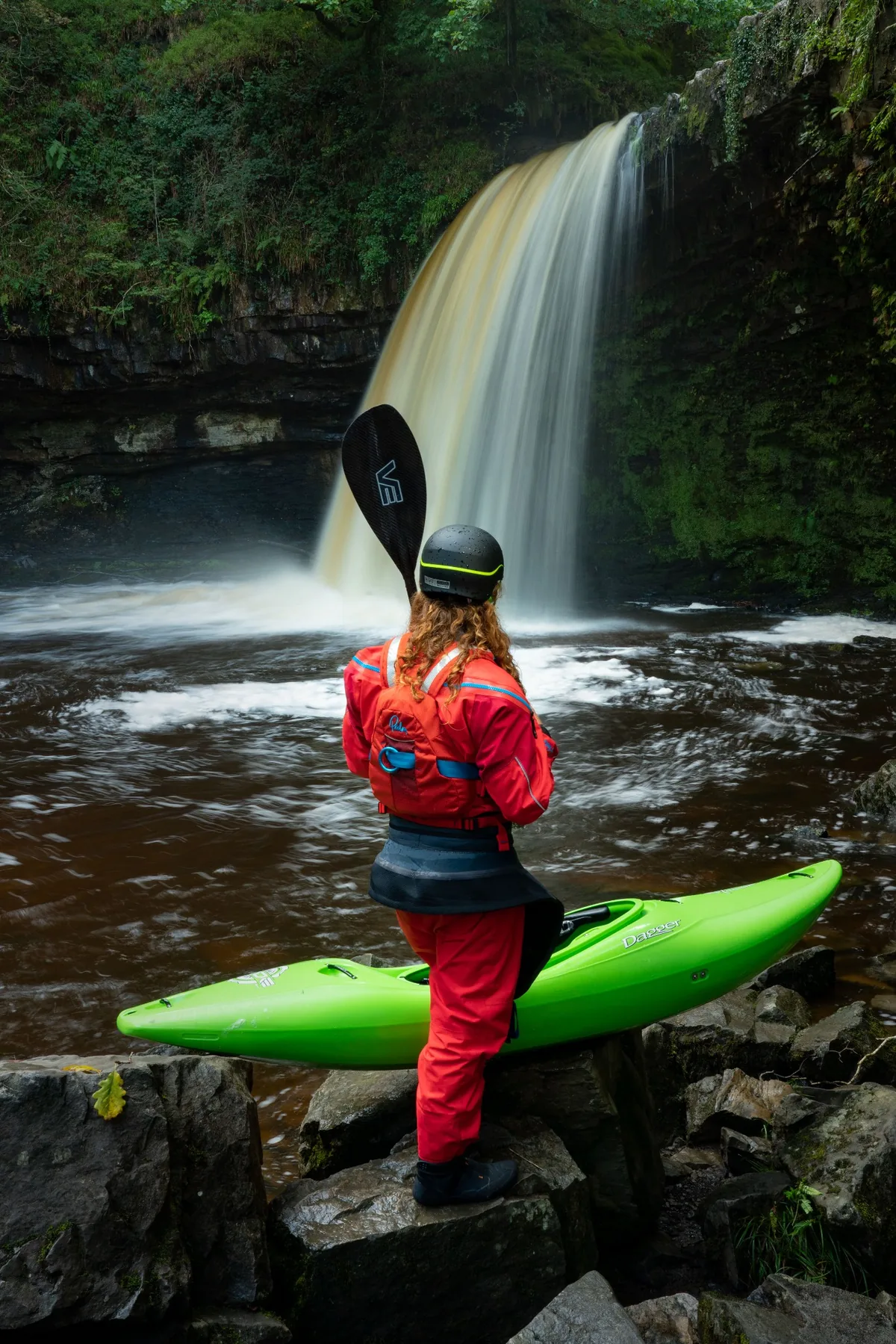
Whitewater kayaking
Whitewater paddlers need specialist drysuits designed for repeated immersion, rolling, abrasion and demanding paddling movements. Palm makes purpose-designed whitewater drysuits; it’s worth choosing a specialist paddling suit rather than a general-purpose drysuit.
Touring, sea kayaking and kayak fishing
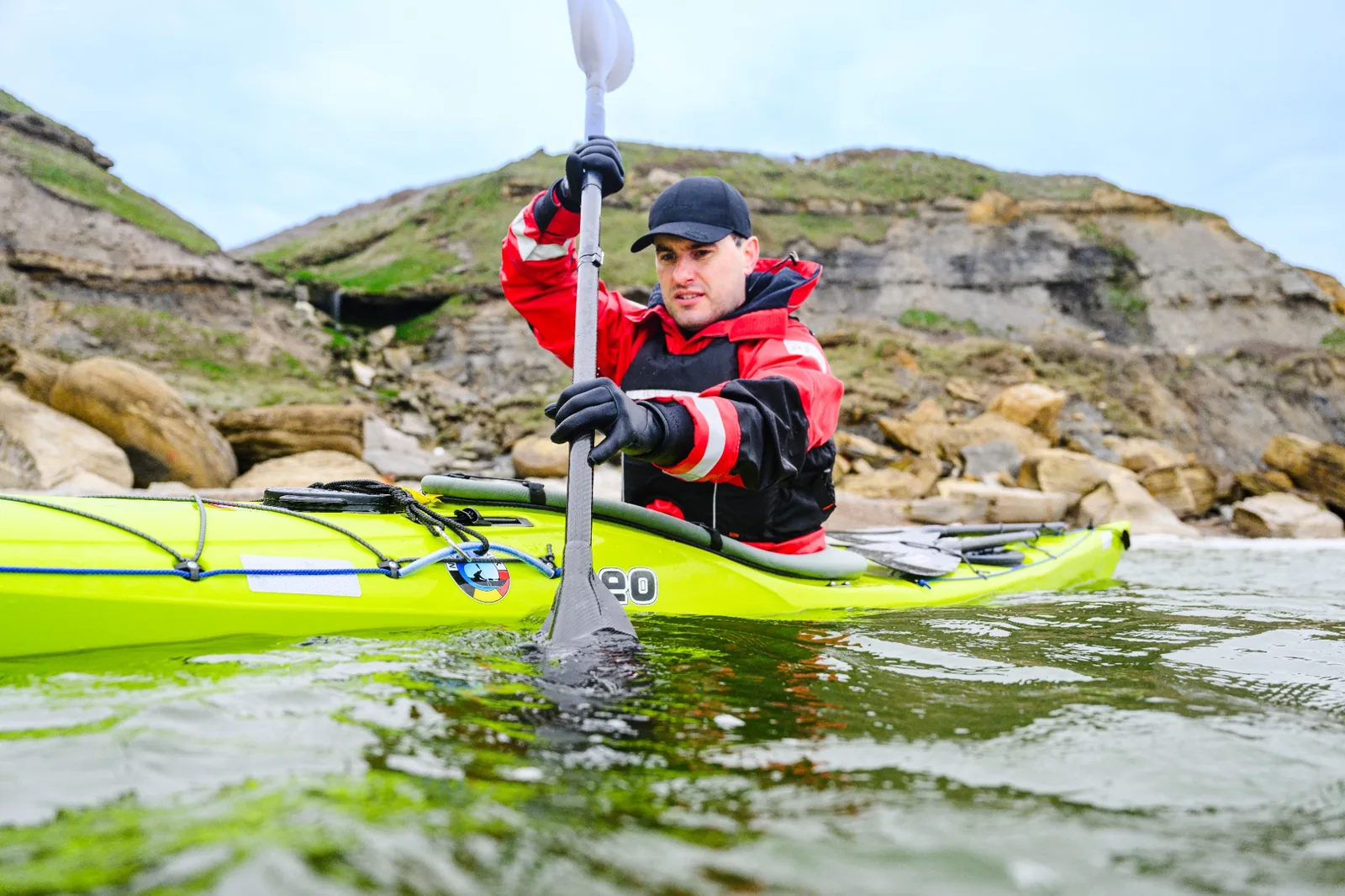
Touring paddlers may be active for hours, while kayak fishermen can spend long periods sitting still. Both benefit from staying dry, moving freely and choosing their insulation to suit the conditions.
Typhoon offers a strong range for these activities, including the Max B and PS440. Both provide fleecy neck protection and the PS440 a hood to help protect from the elements. Whatever you choose, wear appropriate flotation equipment and plan for cold-water immersion and self-rescue.
Winter jet skiing: staying dry makes the difference
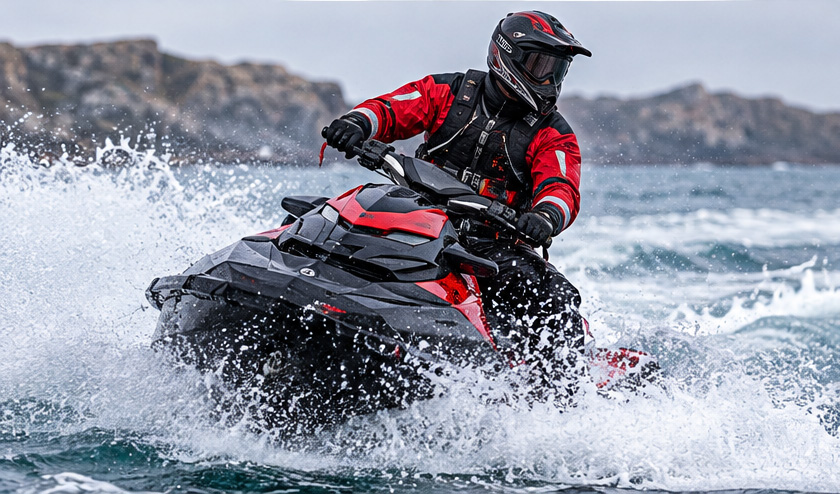
Even without falling off, a jet skier can be soaked by spray and exposed to considerable wind chill. A suitable drysuit lets you wear thermal layers while staying dry. Typhoon offers a strong range for these activities, the top of which would be the Max B and PS440
Windsurfing, wingfoiling and kitesurfing: wetsuits still rule
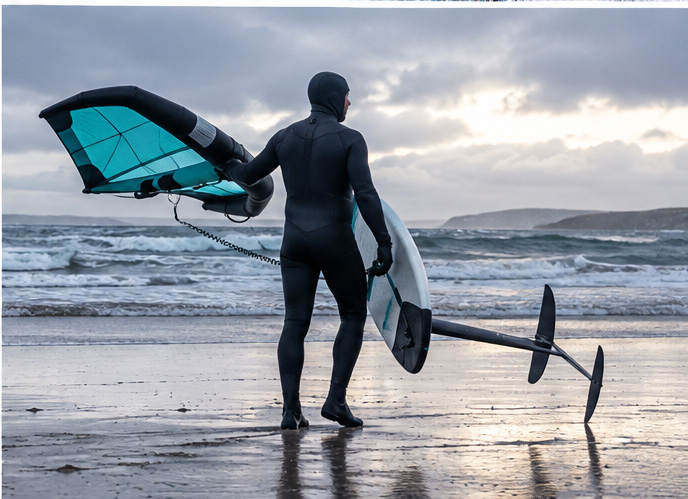
For these active sports, a good thermally lined winter wetsuit with blindstitched seams remains the preferred choice for most riders. Add neoprene gloves, boots and a hood for cold conditions. Frequent immersion and the need for flexibility make a wetsuit the practical choice.
A drysuit isn’t automatically warmer
A drysuit keeps water out; its warmth depends largely on the insulating layers underneath. A modern wetsuit system can be exceptionally warm for an active sailor, especially with a windproof outer layer. Neither option eliminates cold-water shock or replaces a suitable buoyancy aid or lifejacket, sensible conditions assessment and a safe recovery plan.
So, which is better?
Choose the clothing system for your activity, not simply the season. Active dinghy racers increasingly favour layered wetsuits; young beginners benefit from staying dry at launch; and drysuits remain a clear choice for many RIB crews, kayakers and kayak fishermen.
Ready to get equipped for winter?
Shop drysuits · Shop wetsuits · Shop thermal layers · Shop spray tops
Always check that your chosen suit and flotation equipment are appropriate for the activity and conditions.