How To Choose Your Next Wakeboard
Whether you’re a seasoned wakeboarder or just getting started, choosing the right wakeboard makes all the difference to your riding. From size and rocker profile to whether you’re riding behind a boat or at a cable park, every design feature affects how your board performs. Modern boards come in a huge range of shapes, flex levels, and constructions — from lightweight carbon park boards to stiffer boat-specific models. It can feel overwhelming, but don’t worry — we’ve broken it down to help you choose the perfect wakeboard for your weight, style, and skill level.

Boat vs Cable Park Wakeboards
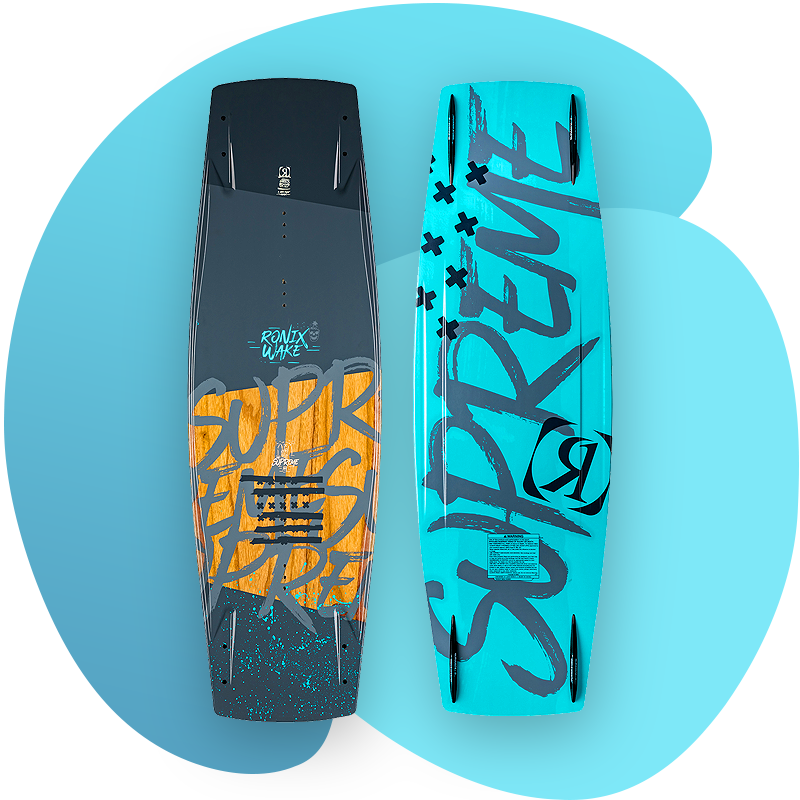
Boat Wakeboard
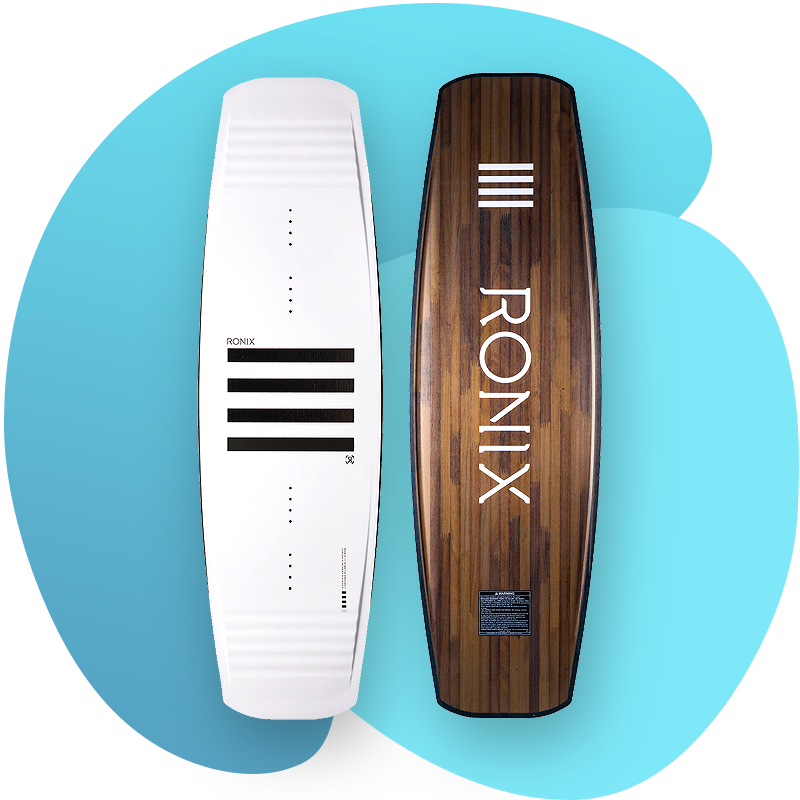
Park Wakeboard
The most common type of wakeboard is the boat wakeboard, designed to be towed behind a boat. Meanwhile, cable park wakeboards are made for riding in cable parks with obstacles such as rails and kickers. Park boards tend to have tougher bases and softer flex patterns to withstand impacts. Boat boards deliver more grip and speed for clean, consistent pop off the wake. While both can technically cross over, using the right board for the environment maximises performance and longevity.

Deciding on the Right Size
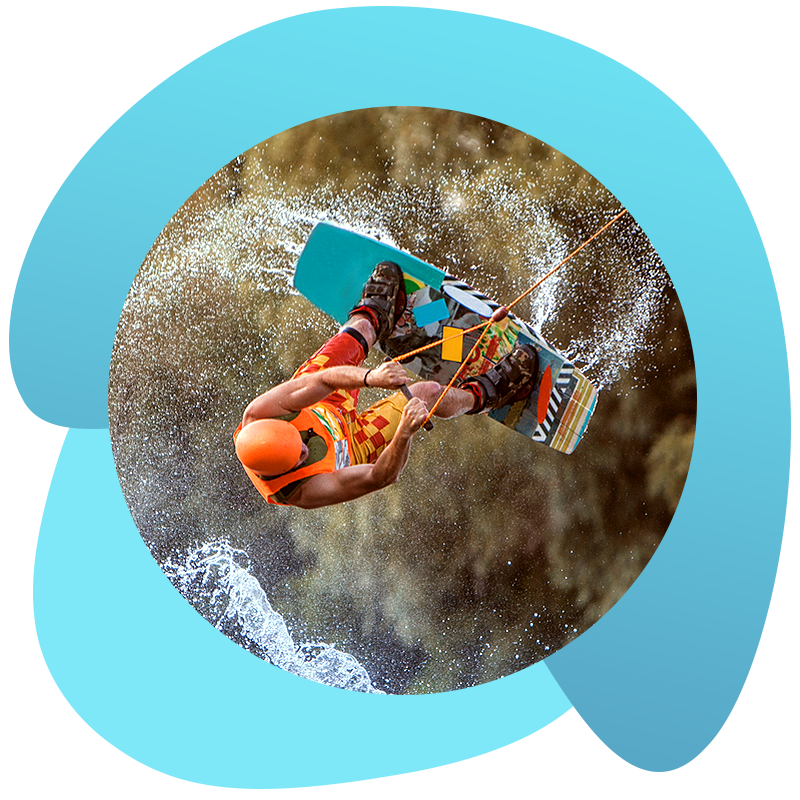
Getting the correct size wakeboard for your height and weight is crucial. A board that’s too large feels sluggish and hard to control, while one that’s too small will struggle to stay on top of the water and can feel unstable. Most brands publish sizing charts, so always check before buying — especially if you’re between size ranges or switching between park and boat setups.
Cable park riders, especially advanced ones, often size up for a looser, more playful feel on obstacles and softer landings off kickers. It’s now common to see park boards up to 155 cm long for riders who like maximum control and stability on rails.
Here’s a general size guide to help you choose:
- Under 45 kg (100 lb): 120 – 130 cm board
- 45 – 68 kg (100 – 150 lb): 130 – 134 cm board
- 68 – 82 kg (150 – 180 lb): 134 – 138 cm board
- 82 – 100 kg (180 – 220 lb): 138 – 142 cm board
- 100 kg + (220 lb +): 143 cm + board
If you’re between sizes, choose the longer board for a smoother, more forgiving ride or the shorter one for a faster, more agile response. Park riders tend to favour slightly longer boards, while boat riders often stick closer to the traditional length chart for pop and control behind the wake.
Importance of Width and Shape
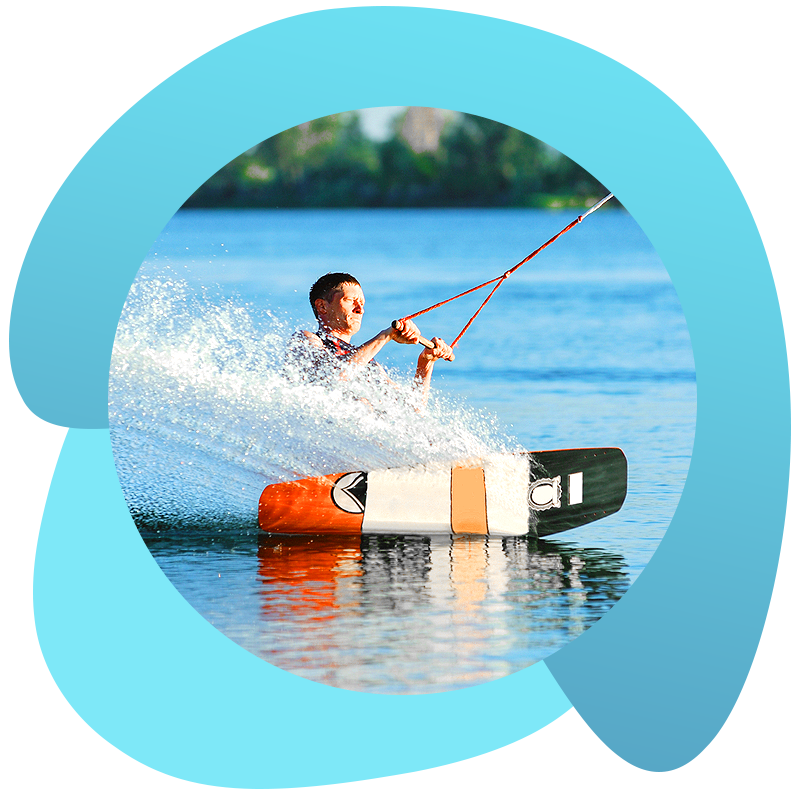
Narrower boards provide more edge control and speed across the water, making them ideal for riders who enjoy carving or cutting hard into the wake. Wider boards, on the other hand, offer more lift and pop off the water and can feel more forgiving during landings. Many modern boards balance the two for versatile performance across both boat and cable park riding.
Choosing Your Rocker Type
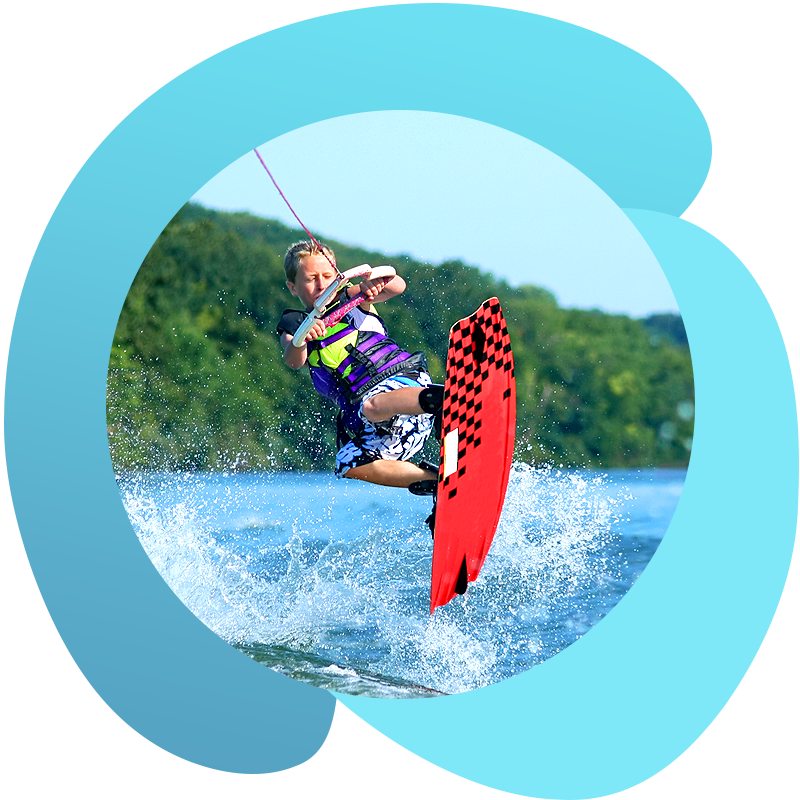
The rocker is the curve of your board from tip to tail and plays a huge role in how the wakeboard feels underfoot. It affects how fast it rides, how it pops off the wake, and how soft it lands. Cable park boards and boat boards often differ here too: park riders usually prefer slightly more rocker for softer landings, while boat riders often choose faster, flatter profiles for speed and consistency.
Continuous Rocker: A smooth, even curve from end to end. It delivers consistent speed and predictable, smooth pop off the wake. Perfect for carving and flow-style riders.
3-Stage Rocker: Has a defined flat spot in the middle and steeper angles at each end, creating a stronger upward “kick” off the wake. Great for explosive pop and big air, though it can feel slower and a little harsher on landings.
Hybrid Rocker: A mix of both styles, with a subtle transition between the continuous curve and the three-stage shape. It balances smoothness and pop, making it ideal for riders who mix boat and cable park sessions.
Children’s Wakeboards
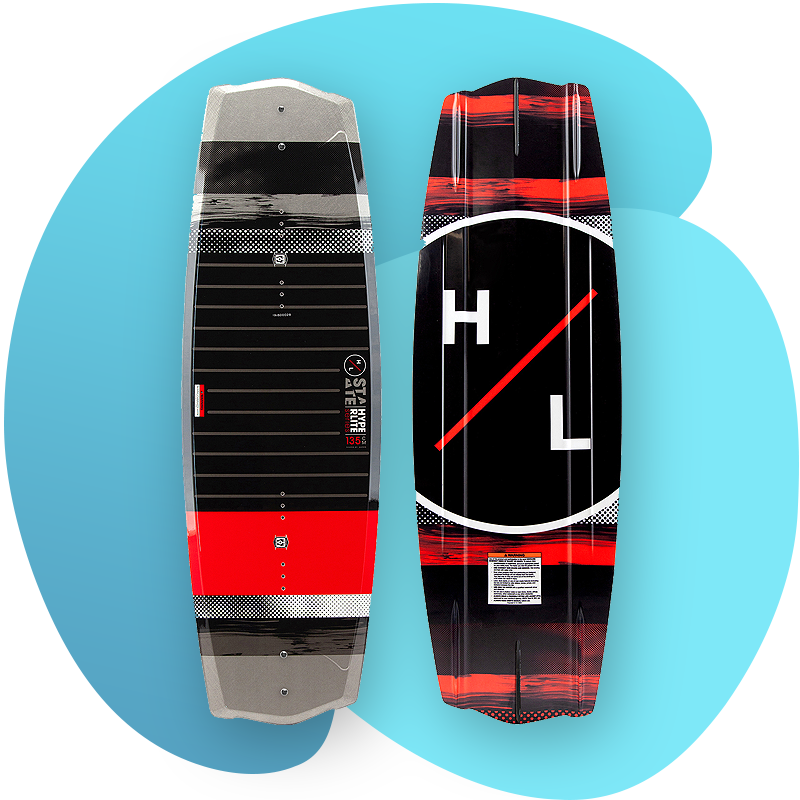
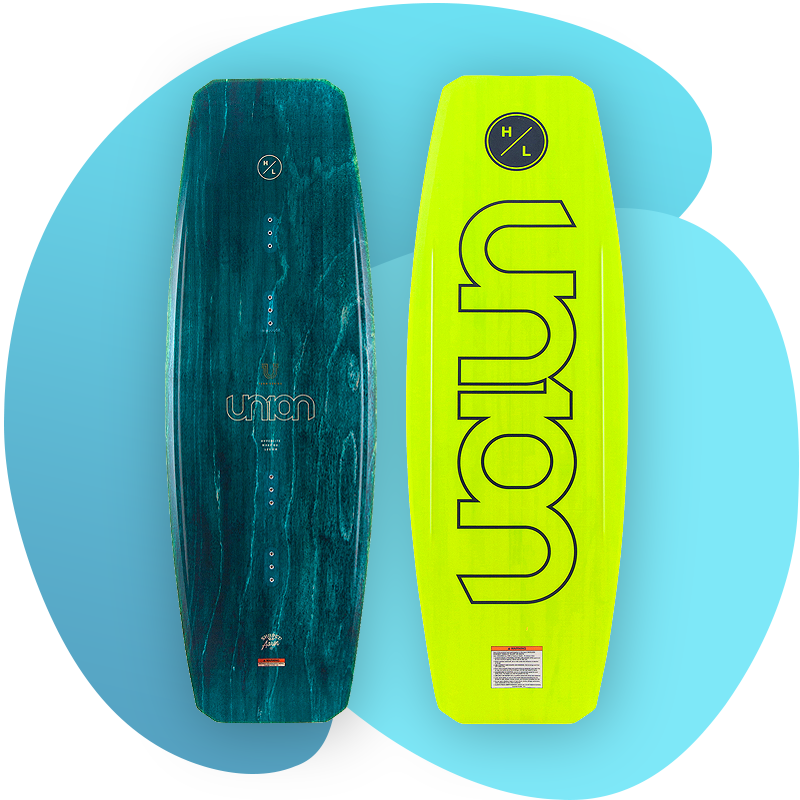
When selecting a board for children, weight and strength are key factors. The board should be light enough for them to carry and lift from the water, with the correct length-to-weight ratio for easy control. Just like adult models, kids’ boards come in beginner, intermediate, and advanced constructions, so match the flex and rocker to their skill level. A softer flex and longer board can help build confidence, while more advanced riders might move to stiffer, faster boards as they progress.
Essential Wakeboarding Equipment
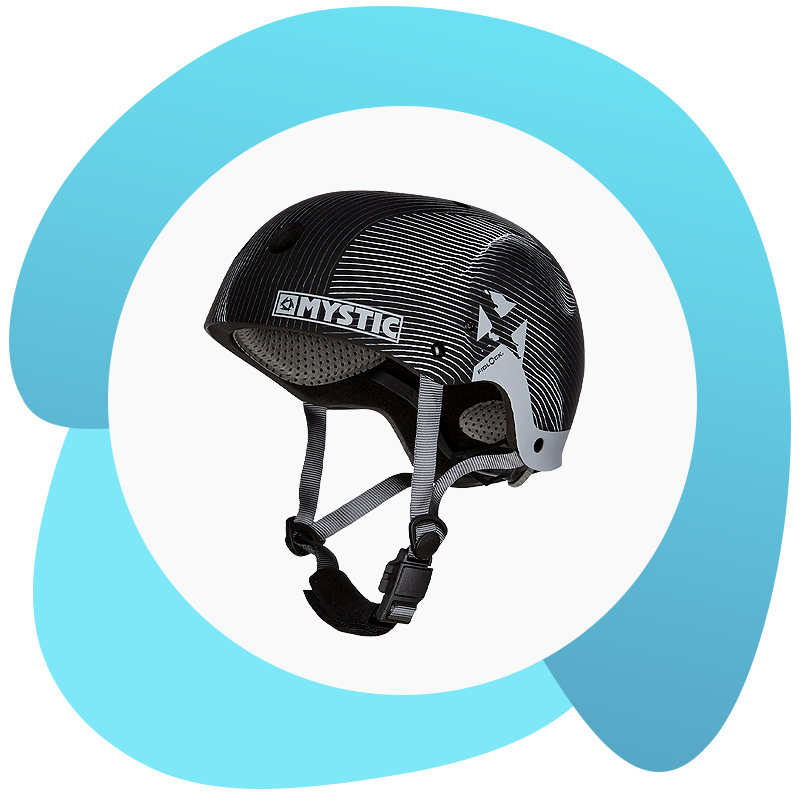
Besides a wetsuit, there are two main pieces of extra equipment that you need. The first, wakeboard helmets, are essential for all riders. They’re designed for water impact and provide crucial protection from obstacles and hard falls. The second is your wakeboard boots or bindings, which secure you to your board. Comfort and fit are vital — snug boots help maintain control and reduce fatigue during long sessions.
Try It Out!
The best way to find your ideal wakeboard is to get out on the water and try different setups. Every rider has their own style — some prefer the explosive pop of a 3-stage rocker behind a boat, while others love the smooth flow and forgiveness of a longer continuous-rocker park board. Whenever possible, demo a few boards or borrow from friends to compare how each feels under your feet. Pay attention to how easily it edges, releases, and lands. The perfect board will feel balanced, responsive, and matched to your weight and riding environment.
At Coast Water Sports, we stock one of the widest selections of wakeboards in the UK — including leading brands like Hyperlite, Liquid Force, Ronix, and O’Brien — with options for both