 My Account


















 Reward Points
 Fast Shipping
 Shipping Available
Wetsuits
Choosing the right wetsuit is key to staying warm, comfortable and performing at your best on the water. Thickness, cut and fit all matter, and the best option depends on your activity, the time of year and UK water temperature.
Start with Mens Wetsuits, Womens Wetsuits or Kids Wetsuits, then refine by warmth and use. If you already know the brand you prefer, browse Wetsuits by Brand, or choose by sport via Wetsuits by Discipline. Finish the setup with Wetsuit Accessories and Rash Vests & Quick Dry layers.
We stock leading watersports brands including Mystic, Gul, Gill, Zhik, Typhoon, Sola and Alder — so once you've chosen the right category, you can compare fit, thickness and features with confidence.
- Mens Wetsuits
- Womens Wetsuits
- Kids Wetsuits
- Wetsuits by Brand
- Wetsuits by Discipline
- Wetsuit Accessories
- Rash Vests & Quick Dry
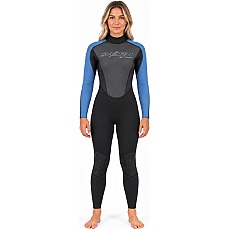 Clearance Deal!WOMENS-39%Stock OKPrice
£64.95£40.00
Sizes: . 8 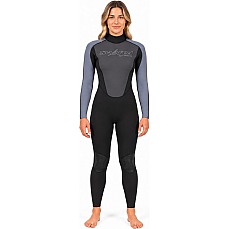 Clearance Deal!WOMENS-39%Stock OKPrice
£64.95£40.00Sizes: . 12  Stock OKPrice£84.00
Sizes: . S | M | L | XL  Clearance Deal!WOMENS-24%Stock OKPrice
£114.95£88.00
Sizes: . XS  Clearance Deal!WOMENS-46%Stock OKPrice
£54.95£29.99Sizes: . 8 | 10  Clearance Deal!YOUTH-29%Stock OKPrice
£27.95£19.99Sizes: . XS 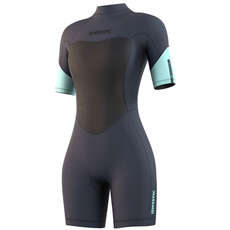 Clearance Deal!WOMENS-25%Stock OKPrice
£79.95£60.00Sizes: . S 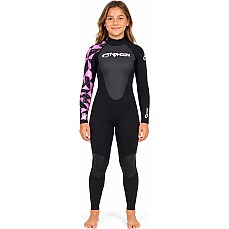 Clearance Deal!YOUTH-15%Stock OKPrice
£37.95£32.26Sizes: . S 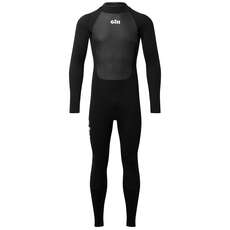 Clearance Deal!-60%Stock OKPrice
£150.00£60.00
Sizes: . XL | XXL 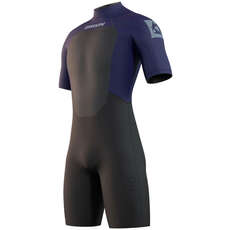 Clearance Deal!-25%Stock OKPrice
£79.95£60.00Sizes: . S  Clearance Deal!YOUTH-24%Stock OKPrice
£110.00£84.00Sizes: . M  Clearance Deal!WOMENS-29%Stock OKPrice
£69.95£49.99Sizes: . 8  Clearance Deal!WOMENS-58%Stock OKPrice
£140.00£60.00
Sizes: . 10 | 8 | 14 | 12 | 16 | 18 Featured Clearance Deal!-25%Stock OKPrice
£84.95£64.00Sizes: . S 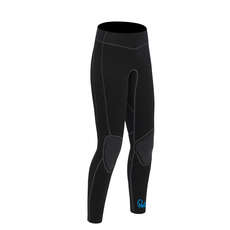 WOMENS-6%Stock OKPrice
£75.00£71.25
Sizes: . WS | WM | WL | WXL | WXS 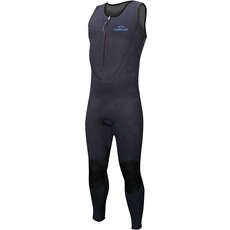 -7%Stock OKPrice
£64.00£59.95Sizes: . S | M | L | XL | XXL | MS | MT | ML 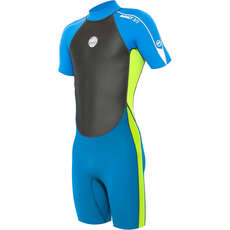 Clearance Deal!YOUTH-40%Stock OKPrice
£44.95£26.97
Sizes: . 6Y | 10Y - Clearance Deal!YOUTH-53%Stock OKPrice
£105.00£50.00Sizes: . JL | JM 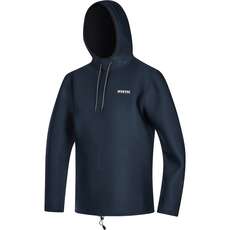 Clearance Deal!UNISEX-50%Stock OKPrice
£114.95£58.00Sizes: . M | L | XL | XXL 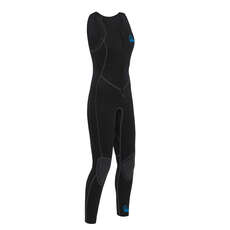 WOMENS-6%Stock OKPrice
£115.00£109.25Sizes: . WS | WM | WL | WXL | WXS 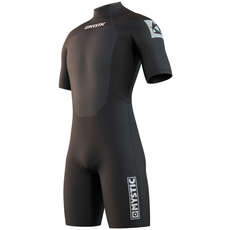 Clearance Deal!-25%Stock OKPrice
£79.95£60.00Sizes: . XS 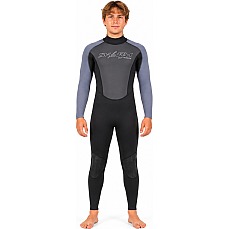 Clearance Deal!-39%Stock OKPrice
£64.95£40.00Sizes: . XL 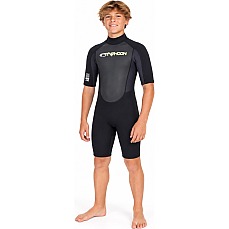 Clearance Deal!YOUTH-41%Stock OKPrice
£34.95£20.97Sizes: . M  Gift IdeaStock OKPrice£59.95
Sizes: . S  -11%Stock OKPrice
£107.00£96.30
Sizes: . S | M | L | XXL  Clearance Deal!YOUTH-28%Stock OKPrice
£55.00£39.95Sizes: . 4XS  Clearance Deal!WOMENS-51%Stock OKPrice
£199.99£99.99Sizes: . XS | S | M | L | XL Featured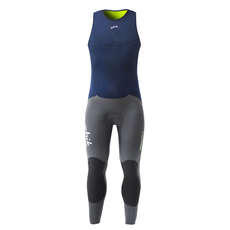 Clearance Deal!-31%Stock OKPrice
£229.95£159.95
Sizes: . XS | S | XXL Featured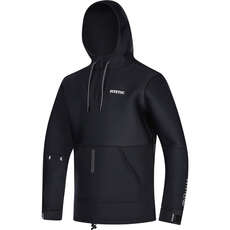 Gift IdeaUNISEX-32%Stock OKPrice
£144.95£100.00Sizes: . L 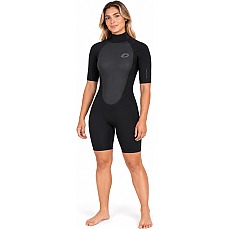 Clearance Deal!WOMENS-29%Stock OKPrice
£69.95£49.99Sizes: . 8 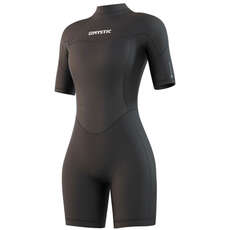 Clearance Deal!WOMENS-40%Stock OKPrice
£79.95£48.00Sizes: . S | M 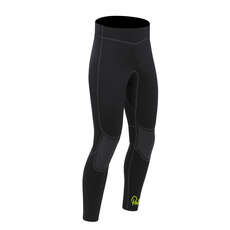 -6%Stock OKPrice
£75.00£71.25Sizes: . S | M | L | XL | XXL 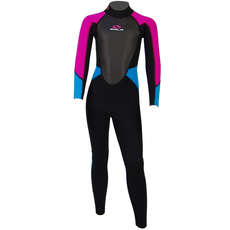 Clearance Deal!YOUTH-28%Stock OKPrice
£55.00£39.95Sizes: . 4XS 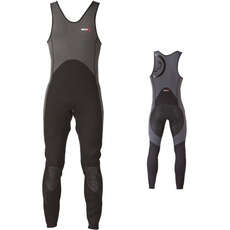 Stock OKPrice£72.00
Sizes: . S | M | L | XL 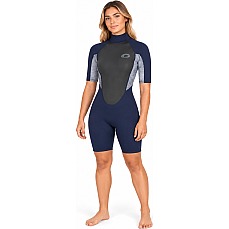 Clearance Deal!WOMENS-29%Stock OKPrice
£69.95£49.99Sizes: . 8  Clearance Deal!WOMENS-50%Stock OKPrice
£199.95£99.99Sizes: . S | M | L | XL Featured Clearance Deal!YOUTH-40%Stock OKPrice
£109.95£65.97Sizes: . M | L Featured Clearance Deal!-39%Stock OKPrice
£64.95£40.00Sizes: . S | XL  Clearance Deal!YOUTH-56%Stock OKPrice
£44.95£19.99Sizes: . S | M | L | XL  Clearance Deal!WOMENS-46%Stock OKPrice
£54.95£29.99Sizes: . 8 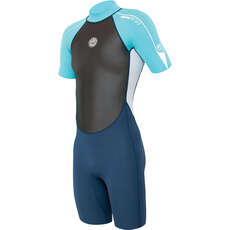 Clearance Deal!YOUTH-40%Stock OKPrice
£59.95£35.97Sizes: . 6Y | 8Y | 10Y | 12Y | 14Y | 16Y 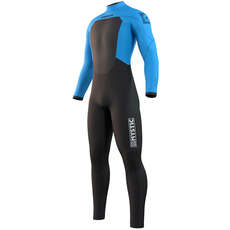 Clearance Deal!free gift-30%Stock OKPrice
£214.95£152.00Sizes: . M | L 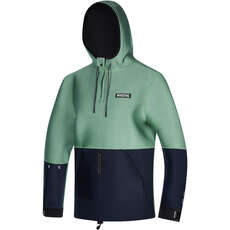 Gift IdeaUNISEX-49%Stock OKPrice
£144.95£74.00Sizes: . XXL 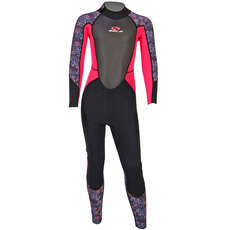 Clearance Deal!YOUTH-28%Stock OKPrice
£55.00£39.95Sizes: . 4XS 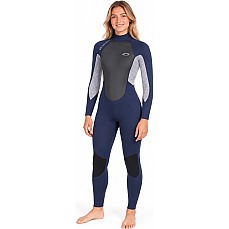 Clearance Deal!WOMENS-30%Stock OKPrice
£84.95£59.99Sizes: . 8 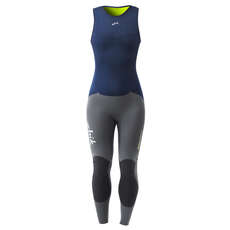 Clearance Deal!WOMENS-27%Stock OKPrice
£229.95£167.95Sizes: . XL Featured Clearance Deal!free gift-48%Stock OKPrice
£132.95£70.00Sizes: . S 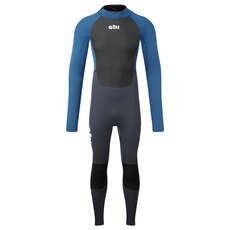 Clearance Deal!-60%Stock OKPrice
£150.00£60.00Sizes: . XXL  Clearance Deal!YOUTH-56%Stock OKPrice
£44.95£19.99Sizes: . S | M | L | XL
How to Choose a Wetsuit
A wetsuit works by trapping a thin layer of water between the neoprene and your skin. Your body warms that water, which helps keep you comfortable in cool conditions. Thicker neoprene generally means more warmth, while thinner suits favour flexibility and summer use.
Wetsuit thickness for UK waters
As a practical starting point for UK conditions:
- 2mm–3/2mm — late spring to early autumn, warmer water, SUP, summer sailing and active watersports
- 4/3mm — the most versatile all-round thickness for much of the UK season
- 5/4mm–6mm — colder months, winter sailing, colder seas and longer sessions
Exact needs still depend on how active you are, whether you get fully immersed, and whether you add boots, gloves or a hood. For a deeper comparison see our wetsuit buying guide and thickness articles below.
Mens, womens and kids fit
Mens Wetsuits and Womens Wetsuits are cut differently through the shoulders, chest and hips, so choosing the gendered range usually gives a better seal and warmer fit than forcing a unisex compromise. Kids Wetsuits should prioritise a close but comfortable fit — too loose and the suit flushes cold water.
Wetsuit or drysuit
Choose a wetsuit when you expect to get wet and want flexibility. Choose a drysuit when you need to stay dry for yacht sailing, cold-water sessions or longer days afloat. Our wetsuits vs drysuits guide below covers the full comparison.
Wetsuit Advice & Buying Guides
Choosing the right wetsuit depends on water temperature, activity, fit and how you plan to use it. Our wetsuit guides cover everything from how wetsuits work to choosing the right wetsuit for adults and children.
Wetsuit Basics
- How do wetsuits work?
- Are wetsuits warm?
- Are wetsuits waterproof?
- Are wetsuits buoyant?
- Are wetsuits unisex?
Choosing the Right Wetsuit
Wetsuits for Kids
Wetsuits vs Drysuits & Layering
Wetsuit History
Wetsuit FAQs
Are wetsuits waterproof?
No. Wetsuits are water-resistant rather than fully waterproof. A small amount of water enters the suit and is warmed by your body. Seals at the neck, wrists and ankles help limit flushing and keep you warmer.
What thickness wetsuit do I need in the UK?
Many UK sailors and watersports users choose 3/2mm or 4/3mm for much of the year. Go thinner for warm summer use and more flexibility, or thicker (5/4mm–6mm) for winter and colder water. Activity level and whether you wear boots and gloves also affect warmth.
Do I need a mens, womens or kids wetsuit?
Yes where possible. Mens, womens and kids wetsuits are shaped differently for a closer fit. A better fit usually means less cold-water flush and more comfort, especially around the shoulders and torso.
When should I choose a drysuit instead of a wetsuit?
Choose a drysuit if you need to stay dry, particularly for yacht sailing, RIB use in cold conditions or long sessions where getting wet would leave you cold. A wetsuit is usually better for dinghy sailing, surfing, SUP and sports where immersion and flexibility are expected.
Can wetsuits be used for swimming?
Yes — many people use wetsuits for open-water swimming, triathlon training and cooler sea swims. Look for a flexible suit with good shoulder mobility. Dedicated swim or triathlon suits are often more efficient in the water than a general watersports wetsuit.
Displaying 1 to 52 (of 559 products)
See more products